Espresso Concentrate: What It Is and Why Cold Coffee Fans Are Embracing It in 2026
Espresso concentrate is moving from a niche convenience product into a more visible part of the cold-coffee market. Here is what it is, how it differs from brewed coffee, and why brands are investing in the format in 2026.
What Is Espresso Concentrate?
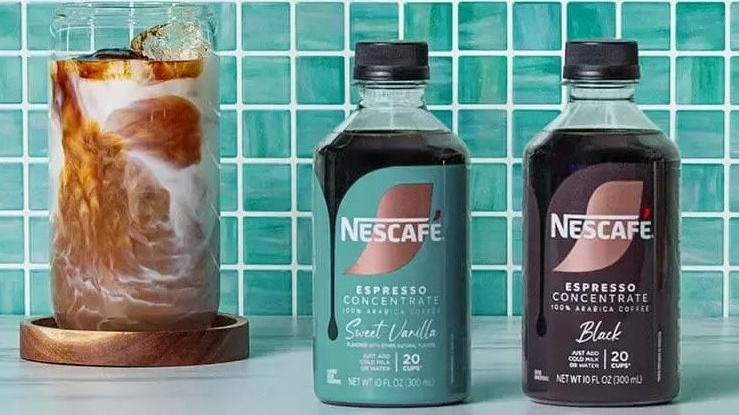
Espresso concentrate is a highly concentrated liquid coffee designed to be mixed with water, milk, ice, or other ingredients rather than brewed from scratch each time. The goal is simple: give you a coffee base with espresso-style intensity and make iced drinks faster to assemble.
The format is becoming easier to find in 2026. Nestlé has expanded Nescafé Espresso Concentrate into additional European markets and launched it in Malaysia, while the Nestlé-Starbucks Global Coffee Alliance has introduced Starbucks Coffee Craft concentrate for the cold-coffee market. ([Nestlé Global][1])
That matters because espresso concentrate is not just another version of instant coffee. It is a liquid format aimed particularly at customized cold drinks, where the concentrate can be poured directly over ice and then combined with milk, water, syrups, or other flavors.
Why Espresso Concentrate Is Appearing Now
Cold coffee has become a major focus for coffee companies, particularly as consumers look for café-style drinks that are easy to recreate at home. Nestlé says cold coffee now represents a substantial share of out-of-home coffee consumption and describes younger consumers as an important audience for convenient, customizable cold drinks. ([Nestlé Malaysia][2])
There is a practical reason for that interest. A traditional iced latte usually requires several steps: making espresso, cooling or balancing it against ice, preparing milk, and assembling the drink. Concentrate reduces the process to something much closer to mixing a drink.
For busy mornings, that can be the biggest selling point.
Concentrate vs. Instant Coffee
The two products can look similar on a supermarket shelf, but they work differently.
| Espresso concentrate | Instant coffee |
|---|---|
| Liquid coffee | Dehydrated coffee granules or powder |
| Usually designed to be diluted or mixed | Reconstituted with water |
| Particularly convenient for iced drinks | More general-purpose preparation |
| Easy to combine with milk and ice | Usually starts with hot or warm water |
Neither format automatically produces better coffee. The difference is mainly in the preparation experience, flavor profile, and intended use.
How to Use Espresso Concentrate at Home
The easiest way to start is with an iced coffee. Follow the serving directions on the product first, since concentration varies between brands.
A simple method is:
- Fill a glass with ice.
- Add the recommended amount of espresso concentrate.
- Add cold water or milk.
- Taste and adjust the strength.
- Add a small amount of syrup or sweetener if desired.
For a latte-style drink, milk gives the concentrate a softer texture and rounds out the coffee's intensity. For an Americano-style drink, use cold water instead. You can also build drinks with vanilla, caramel, chocolate, or other flavors without needing an espresso machine.
Nescafé's current Espresso Concentrate range, for example, includes black, vanilla, and caramel variants in markets where it is available. ([Nestlé Global][1])
The Appeal of Concentrate for Cold Coffee
One of the most interesting things about concentrate is how closely it fits the way people already drink iced coffee.
1. Speed
There is no grinding, puck preparation, tamping, or espresso extraction. That makes concentrate useful for people who want a cold coffee in minutes.
2. Consistency
A packaged concentrate can give you a repeatable starting point. That is useful when you want your weekday iced latte to taste similar each time.
3. Customization
Concentrate works like a coffee building block. You can change the amount of milk, ice, water, or flavoring without changing the underlying coffee preparation.
4. Equipment-Free Convenience
It can be especially appealing to people without an espresso machine. Nestlé specifically positions Espresso Concentrate as a way to create café-style iced coffee without specialist equipment or barista skills. ([Nestlé Global][1])
Is Espresso Concentrate Worth Trying?
It depends on what you want from coffee. If your priority is the ritual of grinding fresh beans, dialing in extraction, and making espresso yourself, concentrate will not replace that experience. If your priority is a fast, customizable iced drink, the format makes much more sense.
It is also worth checking the ingredient list and preparation directions before buying. Products can differ considerably in roast style, flavoring, sweetness, and recommended dilution.
The arrival of both Nescafé Espresso Concentrate and Starbucks Coffee Craft suggests that the category is becoming more established rather than remaining a novelty. ([Nestlé Global][1])
The Takeaway
Espresso concentrate turns coffee into a convenient liquid building block for iced drinks. Its rise in 2026 reflects a broader shift toward cold coffee, customization, and café-style preparation at home. For anyone who loves iced coffee but does not want to pull espresso every morning, it is one of the more practical new formats to watch.